 I’m not a big game hunter. I tried it, but it never really appealed to me. But I love venison, and I’m lucky that Iowa is not just overflowing with deer, but with generous hunters, who are happy to share what they bag in the field. Often this is a case where landowners are culling the deer in their fields–not a bad thing, given that natural predation is non-existent. In any case, I’m a willing recipient of a deer every fall, usually given to me by my friend Sandy, whom I like to call the dean of hunting in Iowa. I’ve also gotten deer from a local farmer, who learned that I was in need from my barber down at Iowa Barbers, Marv. This guy once learned from Marv that I’d lost a freezer full of meat to a summer power outage–and stopped by a few days later with a cooler filled with meat from his own stores; I’m not kidding about Iowan generosity! Day-of-posting note: this same Iowa friend called me this morning, and offered me a big buck. How could I say no?
Now, what do I do with a deer that lands on my back stoop, as one did this morning? Hanging and butchering a deer is a pretty big job, and I usually try to get a bit of help from friends (who know there’s a bit of venison in it for them). I’ll forego a description of the process itself (I may return to that in a later post), but here’s a list of what I put in my freezer: lots of large (3-4 pound) roasts from the hind quarters, two backstraps, the tenderest part of the deer, and lots of trimmed out meat that I grind, and use as I would ground beef, more or less. It’s wonderful meat–incredibly lean, but, if cooked properly, is some of the tenderest and tasty meat I’ve ever eaten. I’ve developed a few recipes with venison over the years; here’s a classic continental preparation:
Roasted loin of venison with pepper-juniper berry rub and a red wine sauce.
This recipe works with larger sirloin roasts, as well as tenderloins.
For the rub:
(for 2-3 pound roast):
black, white, green, and pink peppercorns (about a tablespoon of each)
juniper berries (2 tablespoons)
garlic (3 cloves, minced)
olive oil
salt (1/2 teaspoon)
rosemary (optional)
Coarsely grind all dry ingredients, then mix in garlic (and 1 tablespoon chopped rosemary if using). Rub mixture into roast, then coat with olive oil. This can be done 2-3 hours in advance.
Sauce
1/2 cup minced shallots
1 clove garlic, minced
Chopped green peppercorns (in brine)
1/2 stick butter
1 cup red wine
1/4 cup beef stock (optional)
3 tablespoons huckleberry jam or jelly (or substitute red currant jelly)
salt
For the roast:
Sear off the roast, either on the grill, or in a saute pan (in oil). Then cook in hot oven or on indirect heat in grill for as long as necessary for medium rare (see note below). Remove from heat (including from stove; use a counter), and tent with foil, and let rest for 10 minutes. This is crucial for the meat to carve without bleeding out all its juices, which dries out the meat. The temperature will be fine–the meat retains heat, and even continues cooking after you remove it from heat. For medium rare, the roast should give to the touch.
Note: Getting the meat right is a real trick, and it takes experience to tell when it’s just right for pulling. You can use a meat thermometer, too, to be on the safe side (just use the directions on the thermometer), or you can use an old cook’s trick: put a room-temp blade or tine into the roast, and remove, and touch to your wrist (careful!). It should still be without heat, cooler, on the tip of the blade. This will tell you it’s medium rare. If the blade is hot through, and the roast doesn’t yield to the touch, then you’ve overcooked the meat. It’s better to err on the side of rare: you can always cook it by laying it in the sauce. And rare venison is not a bad thing, for that matter, though I prefer closer to medium rare. Any more and venison will dry out, since it is extremely lean meat.
For the Sauce:
Saute shallots and garlic in searing pan, in butter (or in clean pan, if grilling), just until starting to brown, and then deglaze pan with red wine. Let the alcohol cook out (it should make some sound when you pour it into the hot pan); add beef stock, the jam or jelly, and reduce until about 3/4 of original quantity. Adjust seasonings. You may also want to add in more butter for a richer sauce.
To serve:
Use a nice platter, and pool the sauce in middle. Carve the rested venison roast in 1/4 inch slices, and fan out over the sauce. If using rosemary, garnish plate with sprigs of fresh rosemary.
A variation:
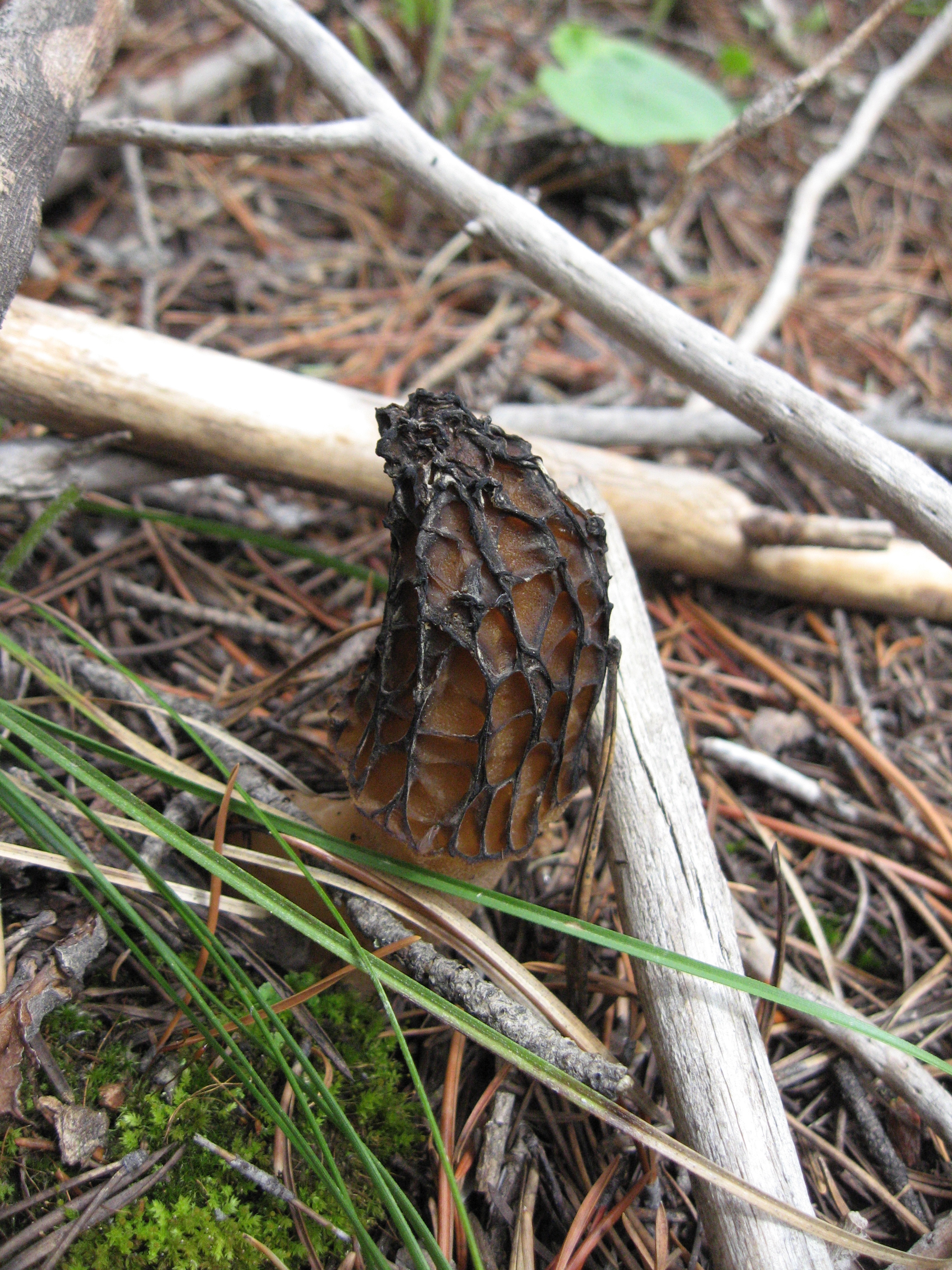
Mushrooms also pair well with venison–the market variety (champignon), or baby portabellas, shiitake, or, if you can find them, morel or chanterelle mushrooms. If using mushrooms, saute with the shallots and garlic.

 FoodIowa
2 Thoughts