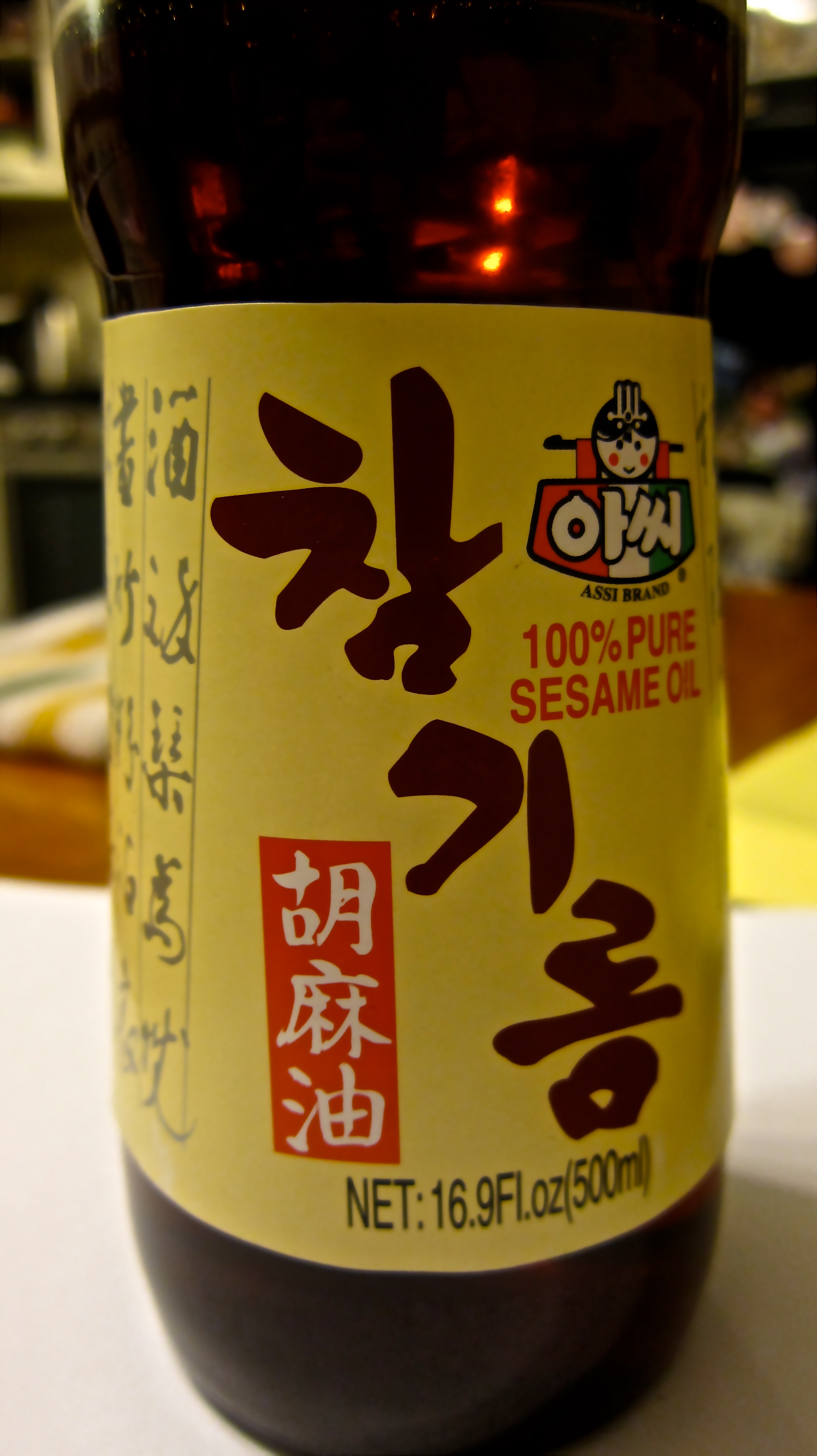
 I first came into contact with Korean cooking in grad school, in Columbus, Ohio in the late 1980s. I worked at an Asian market on Sundays, under the table, thanks to an arrangement made by my good friend Mr. Cho, who also put in 8 or 9 hours on Sundays, to make some money, and get some discounts on Korean groceries. He ran the meat counter, and I was a stock boy, which was a great way to get to know the basics of a wide variety of Asian ingredients. I’ll admit that it seemed less interesting over time, especially when I was heaving 50 pound bags of rice around the store, but as a poor grad student, I needed the money, and I loved the new food experiences. Mr. Cho cooked something different each weekend. Bulgogi was the first thing he cooked, and I’ve been a fan ever since. It’s become a standard at my house, and kids love it, which is for me is often the sign of a good recipe. The version below borrows from a lot of sources. This is probably the first recipe where I understood sesame oil, which is ubiquitous in Korean cuisine. Ms. Cho taught me to think of varying the sweetness by trying different fruit.
Traditionally, this dish is made from marinating beef, usually rib-eye, which has been thinly sliced on a slicer when the meat is still partially frozen. The marinade is versatile, and has many variations. I find it works wonderfully with venison, either thinly sliced roasts, or with ground venison (or beef). I also use bulgogi as the meat component for bibimbap.
Marinade
2-3 tbsp sesame oil
1/2 cup soy sauce
1 tsp ginger, minced
4-5 cloves garlic, minced
1-2 tbsp honey
1/2 tsp black pepper
1 apple, pear, or other fruit, grated
2 tsp sesame seeds
1/2 tsp Korean red pepper
1-2 green onions, sliced on bias
Combine marinade ingredients in large bowl. Add 1.5-2 pounds of sliced or ground venison or beef or mixture of the two. Put in large ziploc bag, and marinate for 2-3 hours, or overnight.
Heat non-stick wok or sauté pan to very hot, add oil, make sure it is sizzling, and stir fry the meat, taking care to keep it moving, to just cook through. Place cooked meat in bowl, with a sprinkling of sesame seeds and sliced green onions, and serve with steamed rice and kim chee (any variety). This could also be part of a larger Korean dinner, as one of the courses. I also use this recipe when I’m making bimbimbap.


One thought